|
by Farhad Ibragimov May 26, 2026 from RT Website
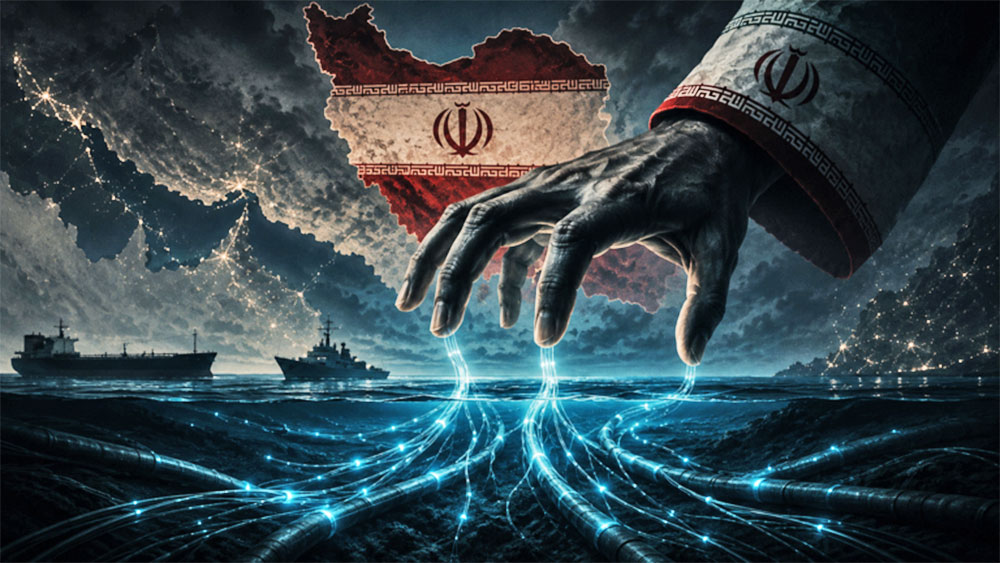
Strait of Hormuz undersea cables shows how they are becoming a new front in pressure tactics and tech risk...
While this news didn't come as a surprise, it
certainly heightened tensions surrounding the digital infrastructure
of the Persian Gulf.
Even before the current escalation, however, discussions about undersea Internet cables in the Strait of Hormuz had surfaced in Iranian media.
The topic first emerged in July 2019 during a broadcast on the state-controlled IRIB television and radio network.
At that time, an expert claimed that a disruption
of cables in the Strait of Hormuz could potentially affect up to 70%
of the world's Internet traffic.
in the event of major damage to the cables, countries in the Arabian Peninsula would face severe communication disruptions, reduced bandwidth,
increased latency, and failures
of digital services...
Thus, already at that time, Iran viewed the
undersea digital infrastructure in the Strait of Hormuz as a
potential tool for strategic leverage.
On April 22, Tasnim news agency, which is linked to the Islamic Revolutionary Guard Corps (IRGC), published a report mapping the cable and cloud infrastructure of the Persian Gulf.
Essentially, this served as a warning that Tehran
may view the Gulf states' digital infrastructure as part of the
conflict zone. The report emphasized that the Gulf monarchies rely
on maritime Internet routes much more heavily than Iran itself does.
This was not merely a question of fees:
From a military perspective, Iran has the capability to threaten cable infrastructure: the Strait of Hormuz is quite shallow, maritime traffic is dense, and the cables are physically vulnerable to damage.
Most damage to subsea cables occurs not from sabotage but from anchors, fishing gear, and navigational errors. Thus, there is a real possibility that these cables may become damaged.
When it comes to physical interference rather
than a precise
cyberattack, the vulnerabilities of
such infrastructure are evident.
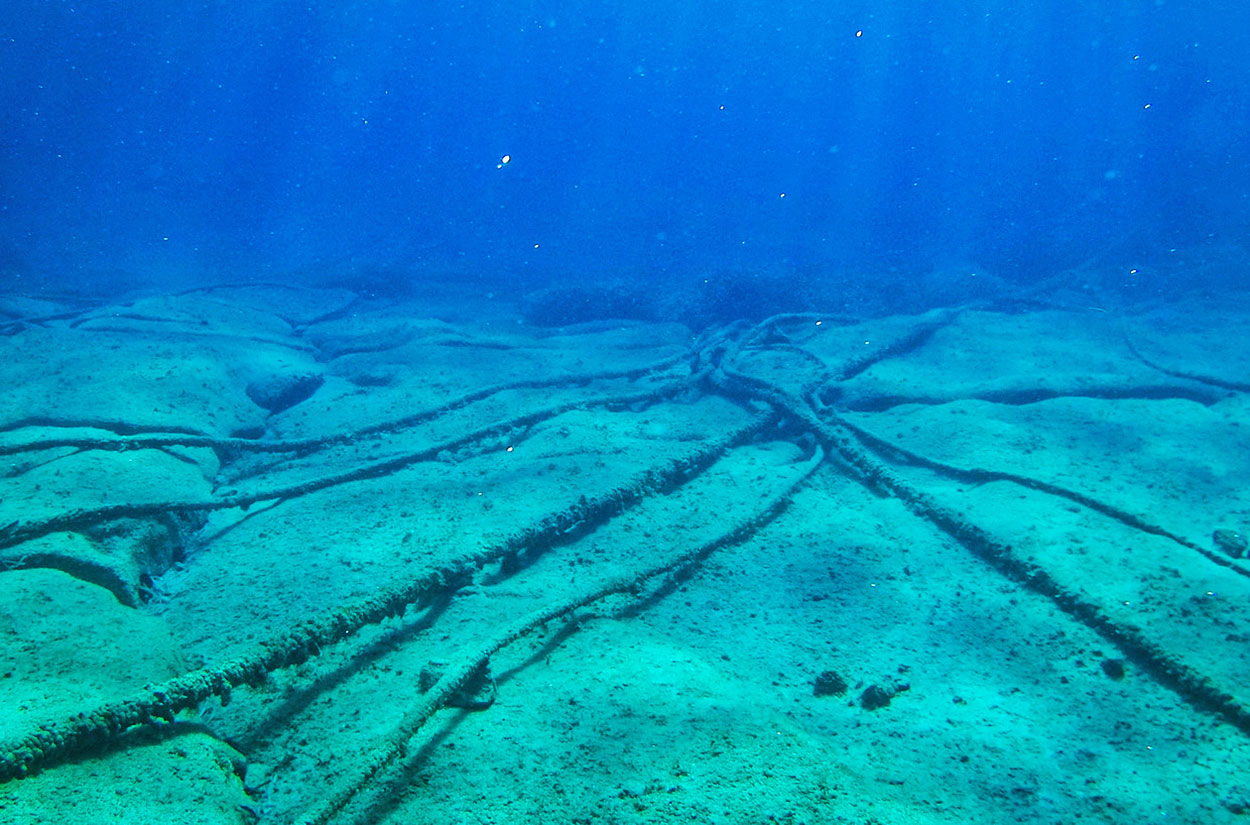
© Mehmet Yaren Bozgun Anadolu via Getty Images
According to international maritime law, coastal states have the authority to regulate the installation and maintenance of such infrastructure near their shores.
This is why Tehran views the cables not just as
part of an international communication network but as
an object under its control...
Such a move would likely be perceived by the US,
the Gulf nations, and major tech companies not as a 'symmetrical
response' but as an attack on critical international infrastructure.
For this reason, attempting to physically cut
cables in the Strait of Hormuz would be an extremely risky maneuver
for Iran, and would effectively escalate the conflict to a new
level.
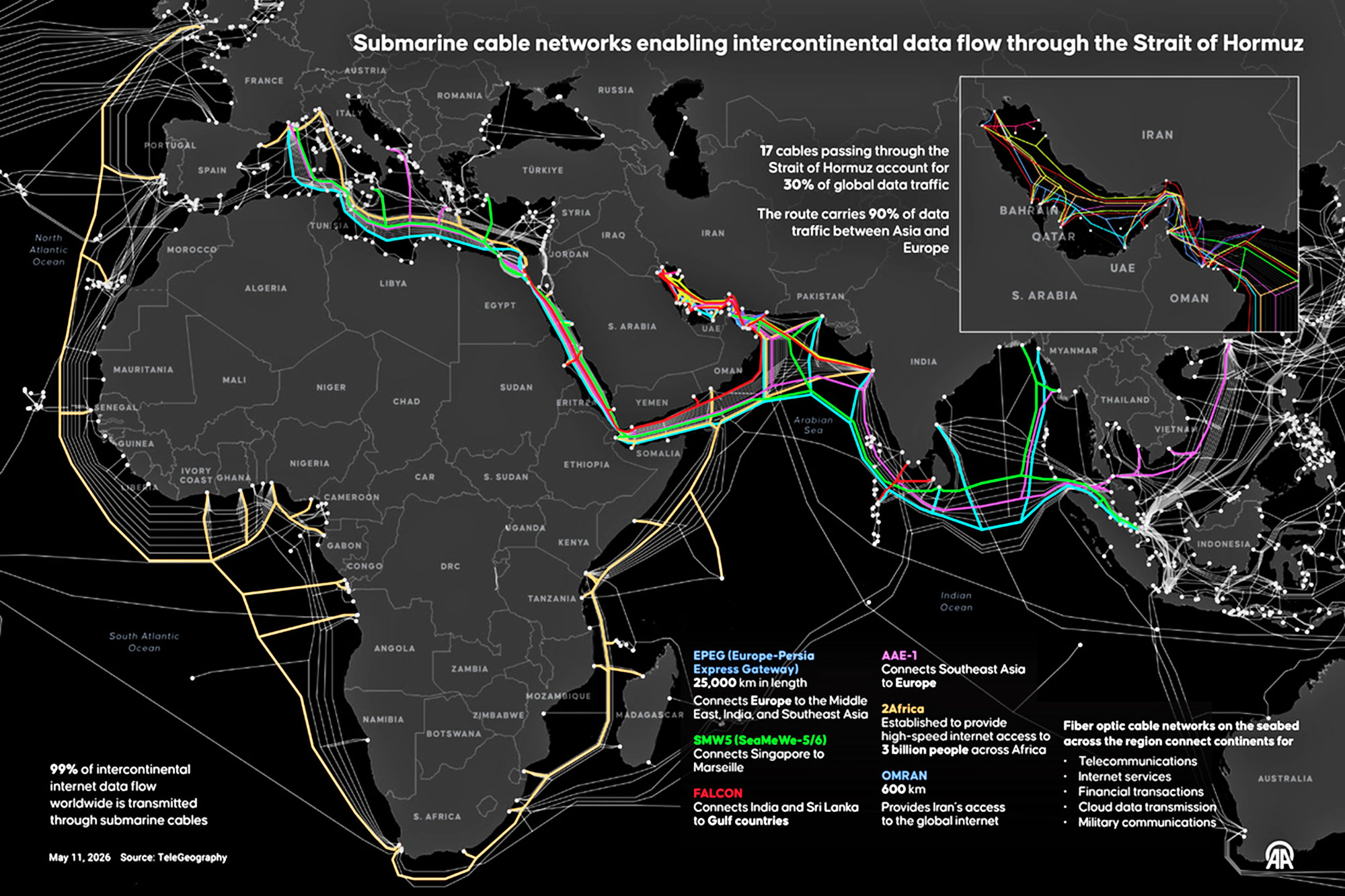
Some serve mainly regional purposes:
Other cable systems are strategically vital, including,
The security of these cables cannot be ensured without military force.
The cable infrastructure is extensive, runs along
the seabed, and is physically exposed. However, as recent months
have shown, neither side is eager to place their military vessels at
risk.
This situation turns the threat of damage to the
cables into a tool for leveraging power, since in addition to the
disruption of traffic, the repair process may be complicated.
A significant portion of the digital infrastructure, including cloud services, data centers, corporate platforms, and financial systems, relies on international data transmission routes.
Sybille Reuter
If data traffic from the Gulf countries needs to be urgently redirected through alternative routes, the process would put additional strain on other parts of the network.
Consequently, users might experience delays,
reduced speeds, unstable service quality, and interruptions in
access to cloud platforms.
Therefore,
Generally, one damaged cable doesn't trigger widespread Internet collapse:
However, if multiple cables fail simultaneously, it would cause a drop in Internet service quality.
In the Gulf countries, this could impact banking
operations, digital government services, cloud platforms, corporate
communications, messaging apps, and logistics systems.
However, in certain Gulf nations, this would cause problems:
It is most likely that instead of actually damaging the cables, Iran will use the threat of such a possibility as a lever of influence. It suffices for Tehran to mention the possibility that these cables could become targets.
This already alters market behavior:
Meanwhile, the consequences of physical damage to the cables would differ based on the region.
This wouldn't cause a global Internet blackout; there are alternative routes in place, and transit between Europe and Asia relies on various paths.
However, for the Gulf states, the impact would be far more severe, affecting banking operations, cloud services, data centers, logistics, and digital government platforms.
The greatest danger lies not in a single
incident, but rather in a prolonged disruption and a situation in
which repair ships would not be able to operate safely in the
conflict zone.
Physically cutting the cables would be a last
resort, possible only done in the event of significant escalation -
however, in the logic of its current pressure strategy, it wouldn't
be the most rational move for Iran.
|